The Palestine Chronicle, February 8, 2026
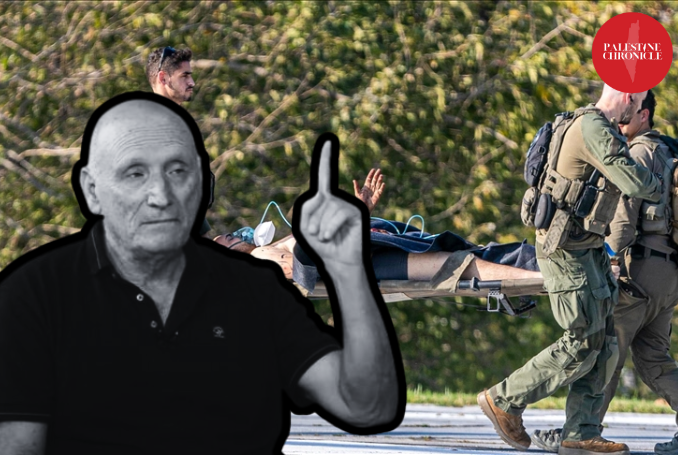
Over two years after the start of the Israeli genocide in Gaza, retired Israeli reserve general Yitzhak Brik acknowledged sweeping military, economic and social damage, saying the campaign has failed to achieve its primary objective.
Key Takeaways
- Brik said Israel failed to defeat Hamas after two years of war.
- Hundreds of billions of shekels were lost economically.
- Israeli soldiers face a rapidly expanding PTSD crisis.
- Suicide attempts and depression rates surged among combat troops.
- Ongoing multi-front deployments continue to strain the military.
Failure to Achieve War Objectives
In a Channel 13 television interview, Brik described the war as a prolonged conflict whose costs exceeded its gains.
“In reality, we have lost national and social resilience over these two years, along with hundreds of billions of shekels,” he reportedly said.
The retired general added that Israel had not succeeded in defeating Hamas, arguing that the campaign imposed heavy casualties while failing to produce a decisive outcome.
“Over the past two years, we have borne severe losses,” Brik stated, referring to both battlefield casualties and long-term physical and psychological injuries among soldiers and civilians.
He also warned of diplomatic repercussions, saying Israel had “lost credibility in the world,” and suggested Washington has intervened after viewing the war as strategically stalled.
Expanding Psychological Crisis
Parallel reports from Israeli institutions and healthcare providers indicate a growing mental-health emergency inside the military.
According to data from the Israeli Security Ministry, around 22,300 soldiers and personnel are receiving treatment for war-related injuries, with approximately 60 percent suffering from post-traumatic stress disorder.
Israel’s healthcare provider Maccabi reported that 39 percent of soldiers under its care sought psychological assistance, while 26 percent displayed symptoms of depression.
A parliamentary committee documented 279 suicide attempts between January 2024 and July 2025, with combat soldiers representing the majority of cases.
Authorities have expanded mental-health funding and alternative treatment programs, but specialists warn the scale of trauma could continue rising sharply in the coming years.
Clinical psychologist Ronen Sidi, director of combat veteran research at Emek Medical Center, also noted widespread “moral injury,” describing emotional distress linked to actions taken during combat.
Multi-Front War
The war has extended across several arenas simultaneously.
The Gaza Health Ministry confirmed that more than 72,000 Palestinians have been killed since October 2023, while thousands more have been killed in south Lebanon.
Israeli sources acknowledge over 1,100 Israeli soldiers killed during the same period. Resistance groups, however, have disputed these figures, arguing that Israeli authorities do not disclose the full extent of battlefield losses and that the real number of casualties is likely higher than officially reported.
Despite a US-backed ceasefire announced in October, Israeli occupation forces remain active across large areas of Gaza, with continued operations causing further casualties in recent months.
Israeli occupation troops also remain deployed in parts of south Lebanon and expanded areas in southern Syria.
Internal Debate over Strategic Outcomes
Brik’s remarks have intensified debate inside Israel regarding the feasibility of the war’s goals.
The retired general has long argued that prolonged ground operations against an entrenched resistance movement would produce high costs without decisive victory.
(PC, Al Mayadeen Israeli Media, Arab Weekly)


No comments:
Post a Comment